Home › Asphalt Milling and Reclamation
Prepare your pavement for a long lasting overlay with asphalt milling in Denver, CO. We use specialized milling machines to remove damaged layers, improve elevations, and recycle existing materials so your new asphalt surface bonds properly and drains correctly.
Precision Asphalt Denver provides professional asphalt milling throughout Denver, CO, Colorado and the surrounding area. Our licensed, insured crew delivers safe, clean, on-time work with a free estimate before anything begins. Call (720) 807-8328 or request your free quote.
Asphalt Milling in Denver: What It Actually Involves
Asphalt milling is not just grinding the top of a road and driving away. It is a controlled removal process that lets us correct elevation, drainage, and surface defects while keeping the good base that is already in the ground. At Precision Asphalt Denver, we start with a site walk to map problem areas like rutting, heaving at joints, ponding water, and reflective cracking. We measure grades, check existing asphalt depth with core samples when needed, and look at how meltwater and summer storms actually move across your lot or road.
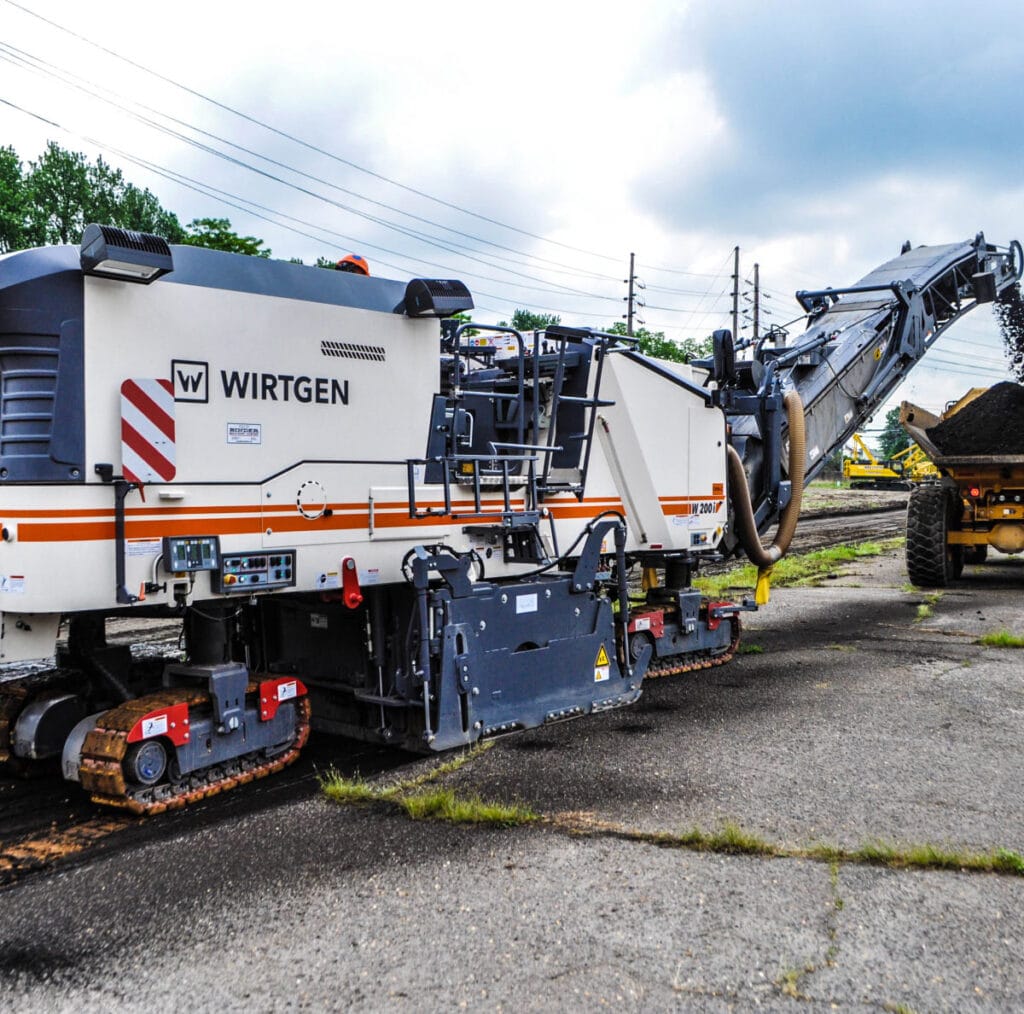
Once we know the conditions, we select the milling machine size and cutting pattern. Smaller commercial and HOA lots usually get a half-lane mill that can maneuver in tighter spaces. Larger streets, warehouse yards, or industrial sites may need a full-lane mill for faster production and more consistent texture. We set the cutting depth based on what the surface needs, from a light 1 inch pass to remove ruts or oxidation, to a full-depth reclaim when the base is failing.
During milling, the drum removes the asphalt in a consistent layer and leaves behind a textured surface called a milling profile. That texture is intentional. It gives the new asphalt layer something to lock into so you get a strong bond. We control speed, drum rotation, and water flow on the teeth to avoid overheating, which can polish the surface and reduce bonding. Every project gets checked with depth gauges and spot checks behind the machine so we do not leave random high or low spots that will telegraph through the new pavement.
Reclamation vs Simple Milling: Choosing the Right Approach
Not every deteriorated asphalt surface in Denver needs a full tear out and replacement. In many cases, asphalt reclamation or full-depth reclamation is more cost effective and more stable long term. Milling usually focuses on the top few inches of asphalt, leaving the underlying base mostly untouched. Reclamation goes deeper by pulverizing the existing asphalt into the base, then regrading and compacting that blended material to create a new foundation.
At Precision Asphalt Denver, we recommend reclamation instead of pure milling when you see things like widespread alligator cracking, repeated potholes in the same locations, or evidence of base movement such as dips and swells that come back after patching. Along Front Range soils, we often see soft subgrade pockets and poorly compacted fill under older parking lots. In those areas, a thin overlay on top of simple milling will fail again because the movement is coming from underneath.
Reclamation uses a larger reclaimer machine that chews the asphalt and several inches of base together. Depending on your site and budget, we can add stabilizing agents or fresh aggregate to that mix, then grade it to the correct slopes for drainage and compact it to a dense, uniform base. Once cured and proof rolled, it is ready for a new asphalt mat. This approach removes weak layers, reduces trucking in and out, and reuses much of your existing material instead of hauling it to a landfill.
How Denver Weather and Seasons Affect Milling and Reclamation
Denver's freeze-thaw cycles, wide temperature swings, and high UV exposure all affect when and how asphalt milling and reclamation should be done. Our elevation, dry air, and fast changing weather make timing more critical here than in milder climates. Precision Asphalt Denver plans milling schedules around these realities so the surface is not left exposed in a vulnerable state.
In early spring, we focus on identifying frost heave and moisture related failures, but we watch soil moisture closely. Milling too soon over saturated subgrades can lead to pumping, where fines and water move up through the layers during compaction. For reclamation work that involves reworking the base, we target periods with a stable forecast and moderate temperatures, typically late spring through early fall. This gives the recycled base enough time to dry back and gain strength before the final asphalt lift.
Summer overlays after milling require attention to temperature as well. Hot, sunny days on dark pavement in Denver can push surface temps well above air temperature. We adjust tack coat rates and timing so it does not flash off too quickly, and we may modify shift hours to avoid placing fresh asphalt during the absolute peak heat. In late fall, we are careful about evening temperatures, since freshly placed asphalt needs enough time above minimum compaction temperature to achieve proper density. If your project is large, we will phase work so that milled areas are not left open to winter weather longer than necessary.
Step-by-Step: What to Expect From Our Milling and Reclamation Process
Precision Asphalt Denver follows a consistent process so you know what will happen each day on your property. First, we meet on site to review traffic flow, delivery schedules, and access requirements. For commercial clients, we often design the work in phases so parts of the lot or roadway stay open. We mark milling limits, drainage inlets, transitions to concrete, and utility covers in paint ahead of time.
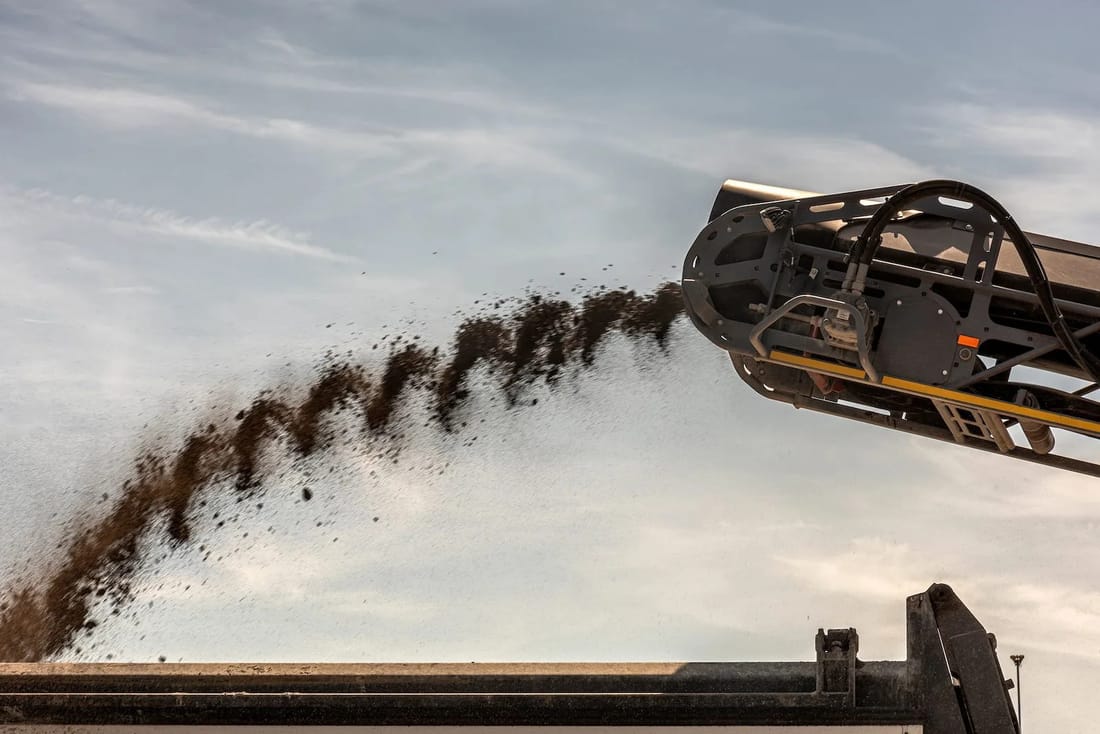
On milling day, we set up traffic control and safety barriers, then sweep the surface to remove loose debris. The milling machine is calibrated at a test strip where we verify depth and texture. As we mill, a conveyor loads the milled asphalt into trucks that haul it to a recycling facility or, if suitable, stockpile it for use as recycled asphalt base. Behind the mill, we inspect for hidden soft spots and adjust depth if we uncover thin or delaminated areas.
For reclamation projects, after the reclaimer makes its passes and blends the existing asphalt and base, we bring in graders to shape the material to the designed slopes. Laser or GPS grade controls are used on larger or more complex projects, especially where tight drainage tolerances are required. We then compact with a combination of padfoot and smooth drum rollers to achieve the specified density. Only after a proof roll with a loaded truck confirms that the base is stable and free of pumping or deflection do we schedule the new asphalt lifts. You will receive daily updates on which areas will be accessible and what to expect for noise, vibration, and dust control.
Cost Drivers, Local Challenges, and How We Control Problems
Pricing for asphalt milling and reclamation in Denver is driven by depth, total square footage, access, and what we find underneath the existing pavement. Thin 1 to 2 inch profile milling on a wide open industrial yard is less expensive per square foot than deep milling around tight islands, loading docks, or multi-level parking entries. Reclamation adds cost for specialized equipment and, if needed, stabilizing additives or imported aggregate, but it often eliminates the need for full removal and disposal of the old structure.
Local soils and past construction quality play a big role in risk. Older sites along the South Platte corridor, for example, sometimes sit on variable fill that was never uniformly compacted. When we mill these areas, we watch closely for differential settlement or moisture pockets. If we expose weak zones, we may switch from simple milling to localized reclamation or undercutting and stabilization. This keeps small issues from turning into repeat failures after your overlay.
Common problems like utility conflicts, poor drainage, and mismatched elevations at concrete entries are handled before paving. We coordinate with utility locates and raise or lower valve cans and manholes to the final design elevation. If your lot currently holds water in certain areas, we will adjust milling depths and base grades so that the final surface sheds water toward inlets or swales. We also plan transitions at sidewalks, dock aprons, and garage entries so you do not end up with abrupt lips or trip hazards when the new asphalt is installed.
What Denver Property Owners Should Clarify Before Hiring
Before you choose any contractor for asphalt milling or reclamation in Denver, you should ask for more than a one line quote. At Precision Asphalt Denver, our proposals spell out milling depth ranges, whether the work is profile milling or full-depth reclamation, how reclaimed material will be reused, and how we will manage traffic and staging. Make sure whoever you hire is clear on how many lifts of asphalt will be placed after milling and what the final pavement thickness will be.
You should also confirm what happens if the crew uncovers unexpected base failures. This should include unit prices for undercuts, stabilization, or deeper reclamation, so you are not negotiating under pressure while the lot is already torn up. Ask how they will protect nearby structures and landscaping from milling dust and truck traffic, and what cleanup looks like at the end of each phase.
Finally, verify that the contractor has experience with our specific Denver climate. They should be able to tell you realistic working windows for your project size and discuss how temperature, moisture, and freeze-thaw cycles will affect the schedule. Precision Asphalt Denver will walk you through project timing, phasing options, and long-term maintenance recommendations so you can plan around tenant, customer, or operations needs and get the most value from your milled and reclaimed pavement.