Home › Asphalt Resurfacing & Overlays
Extend the life of your driveway with professional asphalt resurfacing in Denver, CO. We repair problem areas, apply a smooth asphalt overlay, and restore a clean, even surface that improves curb appeal while saving money compared to full replacement.
Precision Asphalt Denver provides professional asphalt resurfacing throughout Denver, CO, Colorado and the surrounding area. Our licensed, insured crew delivers safe, clean, on-time work with a free estimate before anything begins. Call (720) 807-8328 or request your free quote.
Asphalt Resurfacing in Denver That Extends Pavement Life
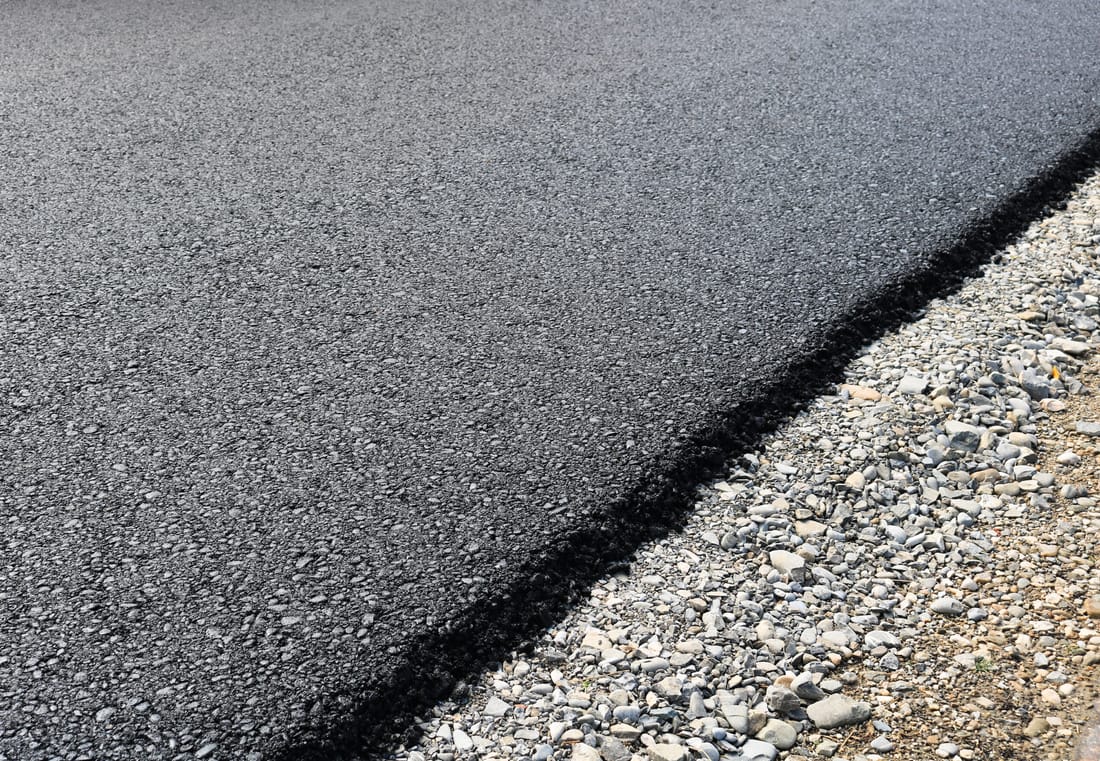
When asphalt in Denver starts to crack, ravel, or hold water but the base underneath is still solid, asphalt resurfacing is often the smartest way to restore it. Precision Asphalt Denver focuses on resurfacing and overlay projects that add many years of use without the cost of full tear out and replacement.
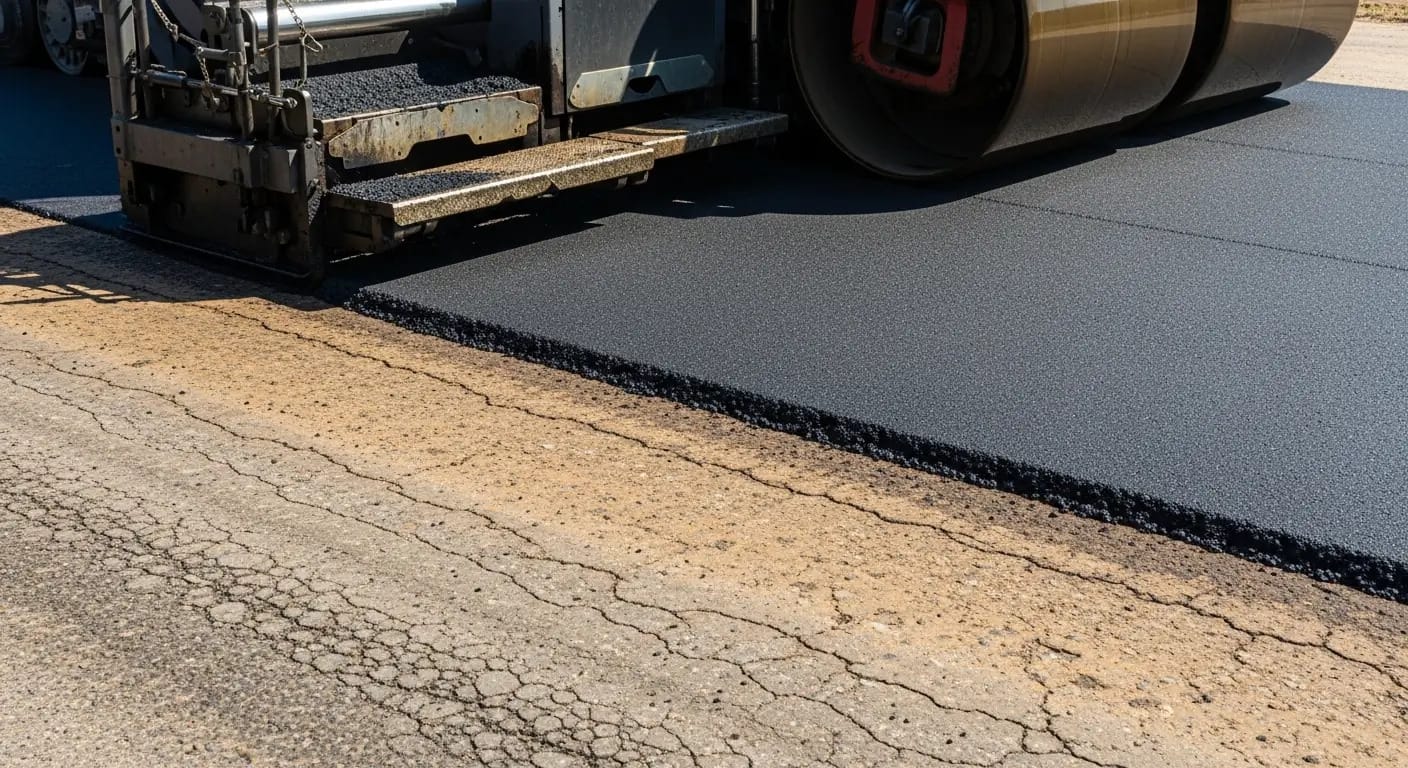
Resurfacing means we keep the existing asphalt base, correct any structural and drainage issues, then install a new layer of hot mix asphalt on top. This is ideal for driveways, parking lots, HOA roads, and private lanes where the surface is worn or uneven but not completely failed. For many Denver property owners, it turns a rough, patched surface into clean, smooth pavement in just a few days.
Because we live and work in metro Denver, we design every overlay to handle freeze thaw cycles, snowplows, and deicing chemicals. Our crews schedule work around typical Colorado afternoon storms and temperature swings so the new asphalt bonds correctly and cures the way it should.
How We Evaluate if Your Pavement Is a Good Candidate
Not every cracked asphalt surface should be resurfaced. The first step is a site evaluation where a Precision Asphalt Denver estimator walks the pavement with you and looks for signs that the base may have failed.
We probe soft spots, look for deep alligator cracking, standing water that does not drain after snow melt, and areas that have sunk near gutters or manholes. We may core a small test hole or saw cut a strip to inspect the thickness and condition of the existing asphalt and base.
If more than about 25 to 30 percent of the area has structural failure, we will usually recommend a mix of full depth repairs plus resurfacing, or in severe cases a full replacement. If the base is sound and the main issues are surface level cracking, ruts from turning vehicles, or oxidation from UV and deicing salts, then a resurfacing overlay is typically the best value. We explain the options clearly and show you problem areas in person so you can see what we see.
Step by Step: Our Asphalt Resurfacing & Overlay Process
Once we confirm that asphalt resurfacing is appropriate, Precision Asphalt Denver follows a specific sequence to get a durable result.
1. Surface milling or grinding: If your pavement has high spots, old patches, severe ruts, or needs to tie into existing concrete (drive approaches, sidewalks, garage slabs), we use a milling machine to remove a set depth of the old surface. This prevents creating a step at transitions and keeps gutter lines and ADA ramps at the right elevation.
2. Full depth repairs: Any areas with base failure are cut out with a saw, the damaged asphalt is removed, and the underlying base is regraded and compacted. We then install new base asphalt so the weak spots are corrected before the overlay goes on.
3. Cleaning and crack treatment: The surface is power swept and blown clean. Wider cracks are routed and filled with hot rubberized crack sealant so they do not reflect through the new layer as quickly.
4. Tack coat application: We spray a bonding layer called tack coat over the existing asphalt. This thin emulsion ensures the new overlay fuses to the old surface so the layers act as a single pavement structure.
5. Installing the new asphalt overlay: We place hot mix asphalt at the planned thickness (often 1.5 to 2.5 inches for parking lots and 2 to 3 inches for driveways or heavier traffic lanes). The mix is laid with a paver for smoothness, then compacted with steel drum and pneumatic rollers while it is still at the right temperature.
6. Joints, edges, and clean up: We pay close attention to edges at concrete, utility lids, and tie ins to public streets operated by Denver or surrounding municipalities. Joints are compacted carefully so they do not ravel. Finally, we sweep, haul off all grindings or debris, and reopen the area when it is safe for use.
Overlay Design Choices for Denver Properties
Resurfacing is not one size fits all. Precision Asphalt Denver tailors the overlay thickness, mix type, and layout to fit how your pavement is used and how Denver weather will affect it.
For residential driveways, we often recommend a 2 inch overlay using a finer gradation mix that compacts tightly and provides a smooth finish. This is comfortable to walk on in winter boots and is less likely to catch snow shovels.
For commercial parking lots or townhome communities, we may use a 1.5 to 2 inch overlay in drive lanes and a slightly thinner lift in low traffic stalls, depending on existing asphalt thickness and budget. In higher traffic or delivery areas, we may suggest polymer modified asphalt mixes that handle turning truck tires and temperature swings better.
In some steep Denver neighborhoods, we consider surface texture and cross slope carefully to balance traction in icy conditions with good drainage toward gutters. We also coordinate striping layouts so ADA stalls, fire lanes, and directional arrows match current Denver code or HOA rules once the new surface is installed.
What Influences Asphalt Resurfacing Cost
Every overlay project has several real cost drivers that we explain upfront so you can plan accurately.
Project size and layout: Larger, open areas usually have a lower cost per square foot because machines can work efficiently. Tight courtyards, multiple small parking bays, or winding mountain driveways near Denver take more labor and handwork.
Existing condition and prep work: Milling depth, quantity of full depth patching, drainage corrections, and crack sealing all affect price. A lot that only needs a light mill and a clean overlay is less costly than one requiring extensive base repair and leveling.
Overlay thickness and mix selection: More thickness means more material. If your use or city standards call for a heavier section or a specialty mix (for example, heavy trucks, trash trucks in alleys, or steep grades), we will show you line item pricing so you can see the effect.
Access and phasing: Working around business hours, multi phase construction to keep part of a parking lot open, and tight access that requires smaller equipment can increase labor. In busy parts of Denver, we often phase work so customers and tenants still have parking, and we plan traffic control accordingly.
We provide written estimates that separate major components, including milling, patching, overlay, and striping, so you can compare options clearly.
Common Overlay Issues and How We Prevent Them
Asphalt resurfacing is only cost effective if it lasts. Precision Asphalt Denver focuses on the problems we see again and again in the Denver area, and we build our process to avoid them.
Reflective cracking: Cracks from the old surface often try to work their way through the new layer, especially after a few winters. We slow this process by routing and sealing larger cracks before overlay and, in some cases, by adding a leveling course or fabric interlayer in problem zones.
Poor drainage and standing water: Overlays that ignore drainage will fail early where water sits and then freezes. We check slopes with a level and adjust grades with milling and leveling courses so water flows to gutters or inlets. At building entrances and garage thresholds, we take extra care not to create puddles that turn to ice.
Raveling at joints and edges: If the overlay is not compacted properly along the joints and edges, it can unravel and break apart. Our crews spend extra roller time on joints and use correct rolling patterns so seams are as dense as the main mat.
Snow and deicer damage: Denver winters are hard on asphalt. We advise on plowing techniques (such as using rubber edges near fresh overlays) and appropriate deicers to reduce surface damage. We can also set up a maintenance plan that includes crack sealing and periodic sealcoating to protect your investment.
What to Expect During and After Your Resurfacing Project
Communication matters when your driveway or parking lot will be out of service for a short time. Precision Asphalt Denver coordinates closely with property managers, HOAs, and homeowners so everyone knows the schedule and where to park.
Before work starts, we mark phasing areas and posting notices if needed. On work days, our crew arrives with milling equipment, trucks, and pavers, and a supervisor stays on site to answer questions. For many resurfacing and overlay projects, each phase can be milled, paved, and reopened to traffic within 24 to 48 hours, weather permitting.
After paving, we typically recommend keeping vehicles off the new surface for 24 hours in summer and a bit longer in cooler weather, although light foot traffic is usually fine once the asphalt has cooled. Striping is normally scheduled within a day or two, timed around Denver weather so paint cures properly.
We leave you with clear guidance on drive time, snow removal, and maintenance, along with warranty information specific to your project conditions. Our goal is to make resurfacing straightforward, protect your daily operations, and give you a smooth, long lasting asphalt surface that fits Denver conditions.