Home › Gravel-to-Asphalt Conversions
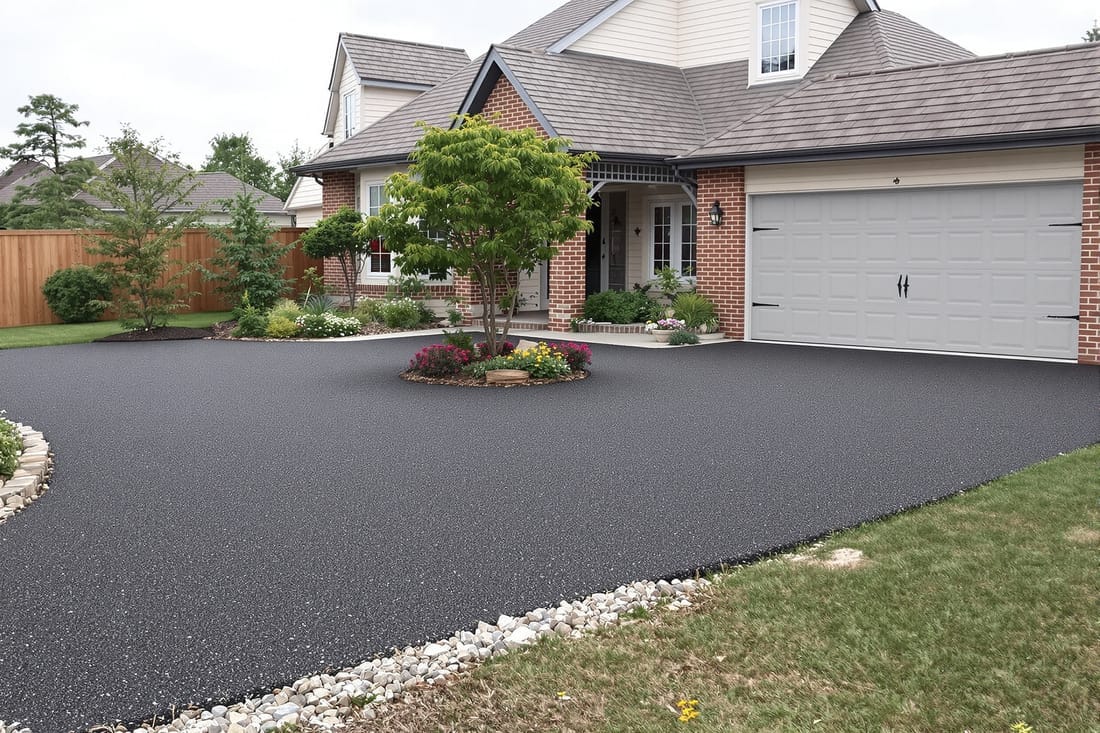
Upgrade your dusty, rutted drive with a gravel to asphalt driveway conversion in Denver, CO. We regrade and compact your base, address drainage issues, and pave a smooth asphalt surface that is cleaner, quieter, and easier to maintain than loose gravel.
Precision Asphalt Denver provides professional gravel to asphalt driveway throughout Denver, CO, Colorado and the surrounding area. Our licensed, insured crew delivers safe, clean, on-time work with a free estimate before anything begins. Call (720) 807-8328 or request your free quote.
Turn Your Gravel Driveway Into a Clean, Solid Asphalt Surface
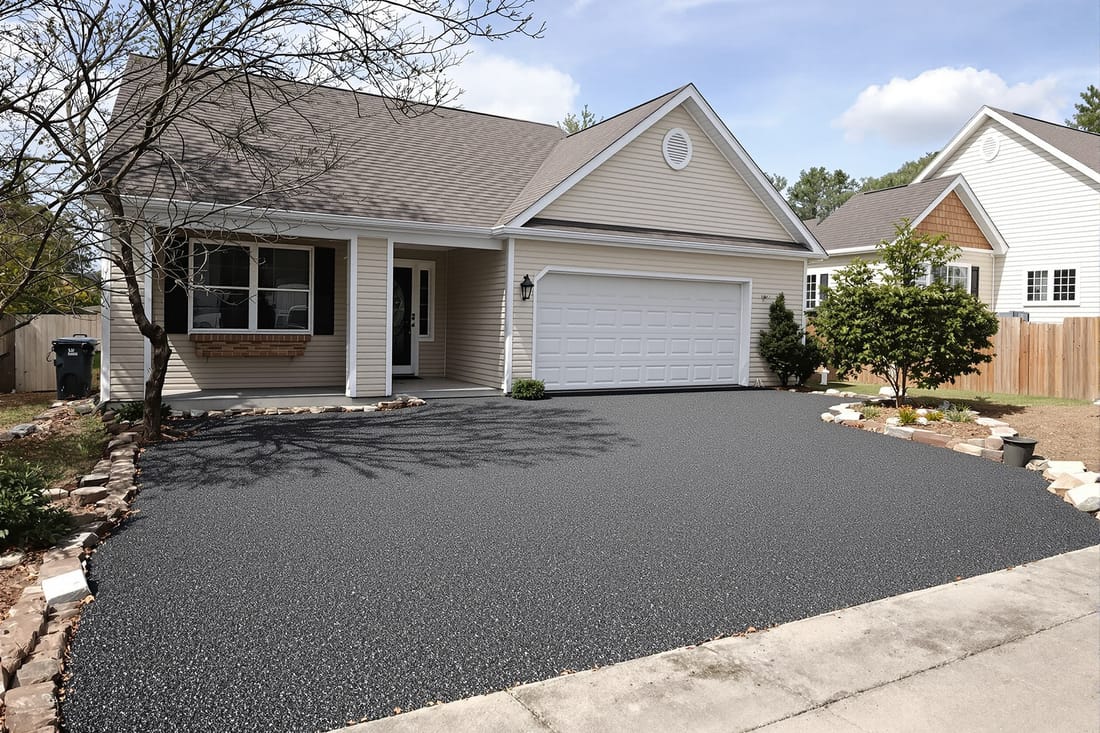
If you are tired of dust, ruts, and loose rock, a gravel to asphalt driveway conversion can make your property in Denver feel cleaner, safer, and easier to maintain. At Precision Asphalt Denver, we specialize in turning bumpy gravel lanes into smooth, durable asphalt surfaces that stand up to Colorado’s freeze-thaw cycles.
Converting from gravel to asphalt is not just a matter of throwing blacktop on top of rocks. The existing gravel base has to be evaluated, reshaped, and often reinforced so your new driveway does not crack or settle within a few seasons. Our crews look at how water currently moves across your property, where vehicles actually travel and park, and how snowplows or shovels will interact with the new pavement.
We help you choose a layout and thickness that fits how you really use the driveway, whether that is a short residential lane with one or two cars, or a longer access road that has work trucks, trailers, or RVs. From the first site visit, our focus is on a finished asphalt driveway that feels like a permanent upgrade, not a quick cosmetic change that will fall apart after a few Denver winters.
How Our Gravel-to-Asphalt Driveway Process Works
A successful gravel to asphalt driveway project starts with a careful assessment of your existing gravel. Precision Asphalt Denver begins with a site inspection, where we check the depth and compaction of the current base, note soft or pumping areas, and identify drainage problems like standing water or washouts.
If the existing gravel base is usable, we reshape and regrade it with a motor grader or skid steer to establish proper slopes, usually aiming for at least 2 percent fall so water sheds off the driveway instead of sitting on it. In areas that feel spongy under equipment, we undercut the weak material and replace it with new road base aggregate, then compact it in thin lifts with a vibratory roller.
Once the base is shaped, we install additional Class 6 or similar road base as needed, then compact it to a firm, even surface. Only when the base passes our compaction checks do we place the hot mix asphalt. For most residential gravel to asphalt driveway conversions in Denver, we recommend a 3 to 4 inch compacted asphalt thickness, placed in one or two lifts depending on traffic and budget.
The hot mix asphalt is delivered from a local plant, spread with a paver where access allows or by hand in tighter spots, then compacted quickly while it is still at the right temperature. We roll with steel drum and pneumatic rollers to lock in density and create a smooth, uniform finish. At the end, we dress the edges with topsoil or rock so there is a clean, safe transition from the asphalt to your yard or surrounding ground.
What Drives Cost on a Gravel-to-Asphalt Driveway in Denver
Homeowners often ask why gravel to asphalt driveway conversion quotes can vary so much. The largest cost factor is base preparation. If your gravel drive has several inches of compacted aggregate and decent drainage, we may only need minor grading and top-up base. If the drive is thin, muddy in spring, or has deep ruts, we may need to undercut, bring in several loads of new base, and spend more time on compaction.
Driveway size and shape also matter. Straight runs that equipment can access easily are more efficient to pave. Long, narrow, or winding lanes, or driveways with tight turns around buildings or landscaping, require more handwork and can increase labor costs. Steep slopes near the foothills or on hilly lots often require extra grading time and careful drainage planning, which adds to the project total but pays off in long-term performance.
The thickness of asphalt is another key cost driver. Light use residential driveways with cars and light SUVs may perform well with about 3 inches compacted. If you regularly park heavy work trucks, campers, or trailers, we will typically recommend 4 or more inches total thickness or a thicker base layer to avoid rutting. Finally, timing and season affect cost. In Denver, the best results come when daytime temperatures are typically above 50 degrees and the ground is not saturated from snowmelt, so we plan work to align with that window for quality and cost control.
Handling Common Gravel Driveway Problems Before We Pave
Many gravel drives around Denver and the surrounding areas share a few recurring issues: standing water, washouts after big summer storms, and soft spots that never seem to dry out. If these are not corrected before the asphalt goes down, the new pavement will reflect those problems in the form of cracks, dips, or premature potholes.
At Precision Asphalt Denver, we address drainage first. We may add shallow swales or ditches along one side of the drive, install culverts where water crosses under the driveway, or adjust the crown or slope of the road so runoff moves to a safe outlet. In some cases, we also recommend French drains or underdrain pipe in chronically wet sections so water has a way to escape from below the structure.
Soft or pumping areas are treated by excavating the unstable material to a suitable depth, then rebuilding that area with compacted road base in layers. Where native soils are especially weak or clay heavy, we can add a geotextile fabric between the soil and the base rock to keep the two from mixing. This step is particularly useful in properties east of Denver where soils can hold water. Only when these underlying issues are corrected do we proceed with asphalt placement, so your new surface is supported properly and lasts longer.
Design Options for Your New Asphalt Driveway
A gravel to asphalt driveway conversion is also a chance to improve how your property functions and looks. We can fine-tune the width so you have comfortable room to pass, open doors, or back trailers without constantly dropping off the edge. Many Denver homeowners choose to widen a narrow gravel lane near the garage or parking area when upgrading to asphalt.
We can incorporate gentle curves instead of sharp bends where space allows, which not only improves appearance but also makes snow removal easier. If you have a steep transition from the street or alley, we can regrade the first portion of the driveway to reduce scraping and make winter access safer.
For the asphalt itself, the main choices involve thickness, mix type, and edge treatment. We typically use a hot mix designed for Colorado’s climate with good resistance to cracking in freeze-thaw conditions. Edge support can be done with compacted shoulder gravel, decorative rock, or lawn, depending on how you maintain the area. After the asphalt cures, usually over a full season, we may recommend sealcoating to slow oxidation from sun and to help shed water, especially at higher elevations around Denver where UV exposure is stronger.
When to Schedule and What to Expect Day by Day
Colorado’s climate affects when and how gravel to asphalt driveway work should be done. In the Denver area, most conversions happen from late spring through early fall, when overnight frost is unlikely and the subgrade is not saturated from snowmelt. Asphalt needs to be placed and compacted while it is hot, and the ground beneath must be stable so the new surface does not shift.
Before work starts, we ask homeowners to mark any private utilities like sprinkler lines and to move vehicles, trailers, or equipment so the crew has clear access. On day one, we typically focus on stripping any vegetation that has grown into the gravel, regrading the existing base, and bringing in additional road base if needed. You will see heavy equipment working to shape the driveway, then rollers compacting the surface.
On paving day, trucks deliver hot mix asphalt from the plant. We place and compact it in sections, so parts of the drive may be temporarily blocked. Most residential gravel to asphalt driveway projects can be paved in one day once the base is ready. You can usually walk on the new surface the same day, but we recommend keeping vehicles off it for 24 to 48 hours, depending on temperature. The crew will review care instructions with you before leaving, so you know how to protect your new asphalt during the first few days and through the first Denver winter.