Home › Industrial and Heavy-Duty Asphalt Paving
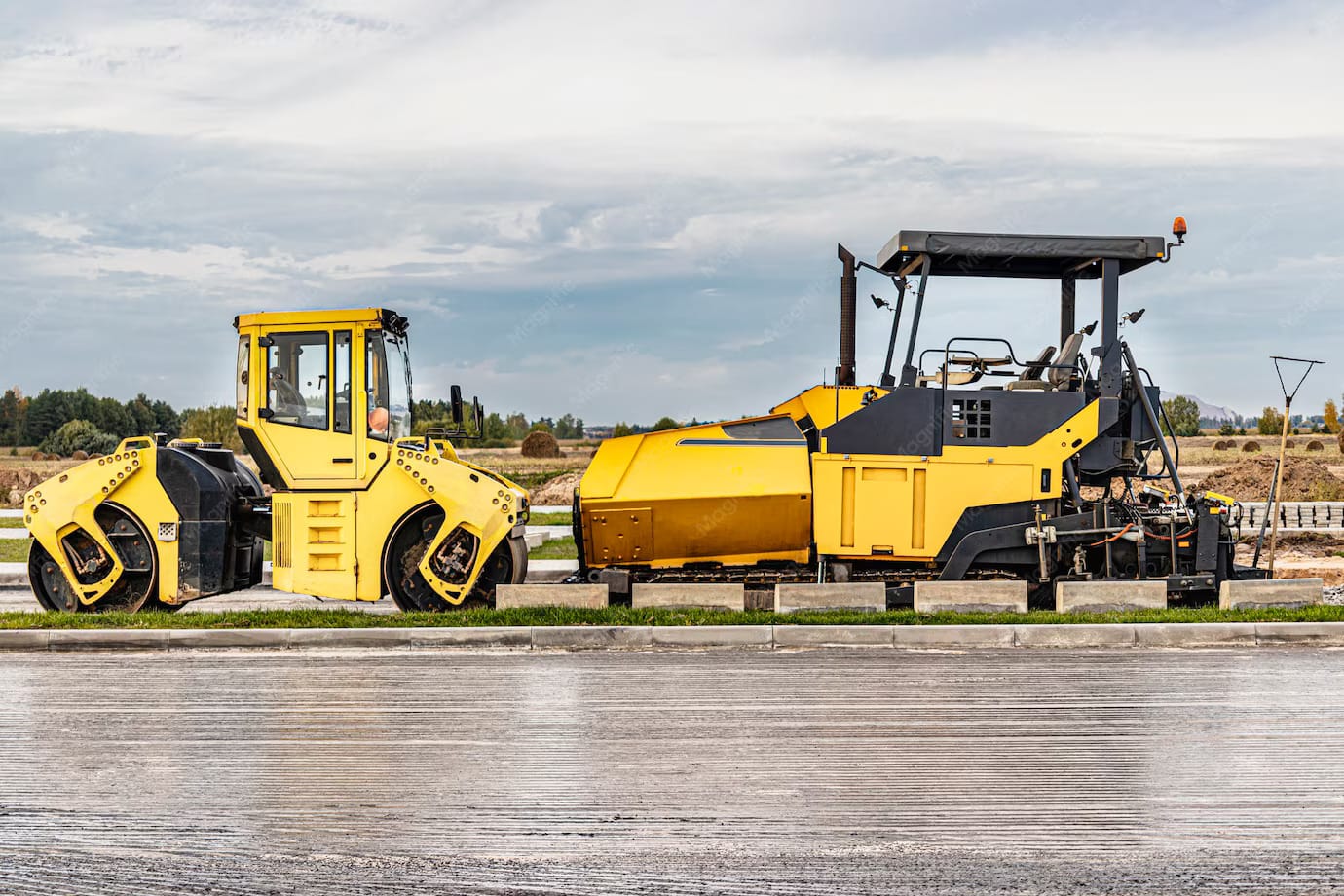
Handle heavy loads with confidence using industrial asphalt paving in Denver, CO. We design and install thick, reinforced asphalt sections for truck yards, loading docks, and warehouses that resist rutting, oil, and constant traffic from commercial vehicles.
Precision Asphalt Denver provides professional industrial asphalt paving throughout Denver, CO, Colorado and the surrounding area. Our licensed, insured crew delivers safe, clean, on-time work with a free estimate before anything begins. Call (720) 807-8328 or request your free quote.
Industrial Asphalt Paving for Denver’s Toughest Sites
Industrial asphalt paving is not the same as paving a small parking lot. Loads are heavier, traffic is more concentrated, and failures are far more expensive. Precision Asphalt Denver designs and builds heavy-duty asphalt sections for facilities that run 24/7, from distribution centers along I-70 to manufacturing plants and warehouse yards across the Denver metro.
We start by looking at how your site actually operates: axle loads for trucks, turning paths for forklifts, where trucks queue, and where spills or chaining-up happen in winter. That data shapes the pavement section design, not a generic template. A loading dock approach that sees constant 80,000 lb trucks, for example, will need a different structure than employee parking 200 feet away.
Our industrial asphalt paving work in Denver, CO, focuses on long-term performance under freeze-thaw cycles, deicing chemicals, and heavy wheel loads. The result is a pavement system built to support your operations without constant patching or shutdowns.
Site Evaluation and Pavement Design Built Around Your Loads
Every heavy-duty project begins with a site visit and a pavement design that is specific to your facility. Precision Asphalt Denver evaluates existing soil conditions, drainage patterns, and current pavement failures so we do not repeat past mistakes.
We often run proof-rolling with loaded trucks to see how the subgrade behaves under live load. If we see pumping or rutting, we know the base or subgrade needs strengthening before any new asphalt goes down. For new construction, we review your geotechnical report and traffic data (truck counts, axle types, and turning movements) and then design a pavement section that can handle those stresses.
In Denver, industrial designs commonly include thicker base courses (6 to 10 inches of aggregate base), heavier asphalt lifts (3 to 6 inches total), and selective reinforcement in high-stress zones like dumpster pads, fuel islands, and dock aprons. In some cases, we recommend full-depth asphalt or a concrete/asphalt combination at specific points to reduce rutting under static loads.
Subgrade Stabilization and Base Construction
Most industrial asphalt failures in Colorado start below the surface. That is why Precision Asphalt Denver focuses heavily on subgrade and base preparation before placing a single ton of asphalt.
We begin by stripping unsuitable material and soft spots identified during proof-rolling. If native soils are weak or expansive (common along parts of the Front Range), we may bring in structural fill, use geotextile or geogrid, or stabilize with cement or fly ash to get a uniform, stable platform.
Next, we build the aggregate base. For industrial asphalt paving, this base is thicker and more carefully compacted than on light-duty lots. We place aggregate in controlled lifts, typically 4 inches at a time, then compact each lift to specified density with vibratory rollers. Cross slopes and drainage paths are set at this stage to prevent water from pooling under the pavement, which is especially important with Denver’s freeze-thaw cycles.
Before any asphalt placement, we run density checks and fine-tune grades with motor graders so the asphalt mat will have consistent thickness and proper water runoff.
Heavy-Duty Asphalt Mixes and Placement Methods
The performance of industrial asphalt in Denver depends heavily on the mix design and how it is placed. Precision Asphalt Denver works with trusted local plants to specify heavy-duty mixes with the right aggregate size, binder grade, and air voids for your loading and climate.
For truck yards and loading docks, we often use mixes with a higher-quality aggregate blend and a performance-graded binder suited to Colorado temperatures. This reduces rutting under slow or parked heavy trucks. We may also adjust mix designs for areas exposed to fuels or oils, since repeated spills can soften asphalt if the mix and binder selection are not correct.
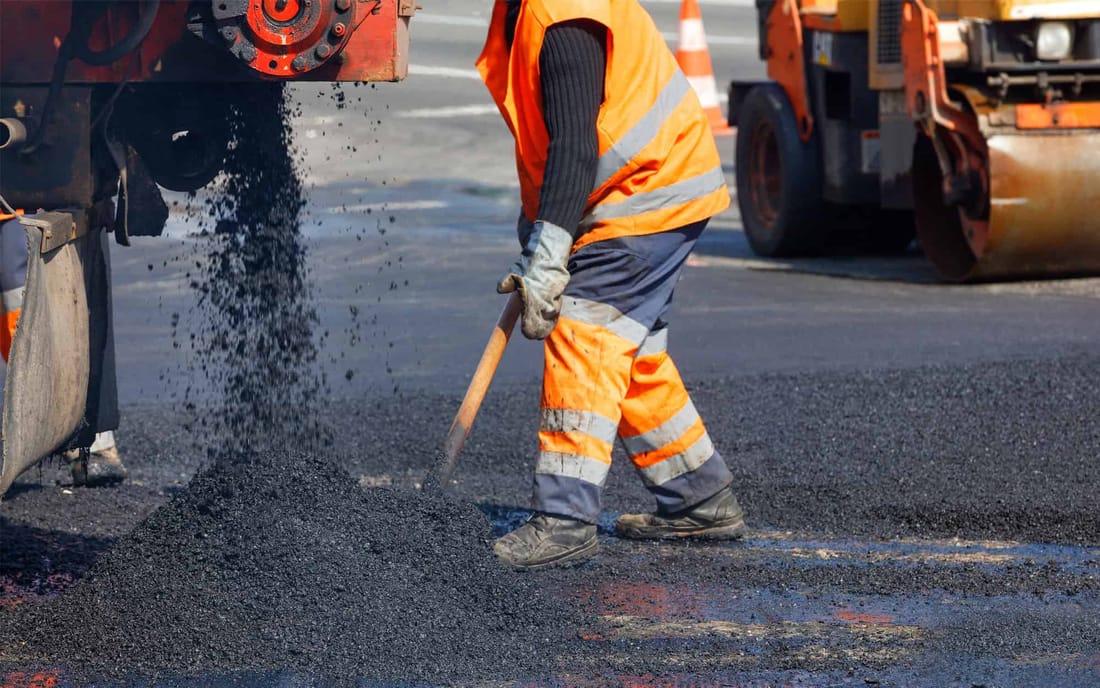
Placement is done in multiple lifts. For industrial sections, we typically install a strong base lift and a tighter, more durable surface lift. We use pavers with automated grade and slope control for a smooth, even mat, then compact using a rolling pattern tuned in the field. Managing temperature is critical in Denver’s dry air, particularly in shoulder seasons when mornings are cold. We coordinate plant distance, truck cycle times, and crew size so the mix reaches target density before it cools, which is key to long pavement life.
Common Industrial Pavement Issues in Denver and How We Prevent Them
Industrial pavements in the Denver area tend to fail in predictable ways: rutting where trucks queue, cracking along joints and utility trenches, and potholes in low spots that trap meltwater. Precision Asphalt Denver designs and builds with these specific issues in mind.
To reduce rutting, we increase structural thickness and may specify stiffer asphalt mixes in wheel paths, especially at stop bars, gate entries, and dock approaches. For areas with repeated static loads, like trailer parking stalls, we may recommend reinforced sections or a concrete pad surrounded by heavy-duty asphalt.
Cracking along utilities and trench cuts is addressed by proper trench backfill and compaction, plus reinforcing or thickening the asphalt in those zones. We also pay close attention to snow removal patterns. In Denver, plows often scrape the same paths all winter, which can ravel weak surfaces. We set grades and transitions to reduce plow catching and select top mixes that resist raveling.
Drainage is another major factor. Meltwater that refreezes overnight can break down even a thick pavement if trapped. We create positive drainage to inlets or swales and avoid flat grades in high-traffic industrial paths.
Cost Drivers for Industrial Asphalt Paving in Denver
Industrial asphalt paving costs more than standard commercial work because the structural demands are higher, but there are clear levers that affect your budget. Precision Asphalt Denver is transparent about what drives cost so you can make informed decisions.
Key factors include total pavement thickness, base preparation requirements, and the need for subgrade stabilization. If we can reuse a portion of existing base or mill and overlay instead of full reconstruction, we will explain the tradeoffs in life expectancy and risk. Access constraints, night or weekend work, and traffic control around active operations can also affect pricing for Denver industrial sites.
Material choices influence long-term cost. A heavier-duty mix or thicker section may cost more initially, but if your site handles constant heavy truck traffic, that extra investment can prevent rutting and structural failures that disrupt operations. During estimating, we walk you through options, such as reinforcing only high-stress zones instead of the entire site, so you can align scope, risk, and budget.
We also help you budget for lifecycle maintenance, like targeted mill and overlay cycles, crack sealing, and sealcoating where appropriate. Planning these in advance usually reduces total cost of ownership compared to reacting to failures.
Project Delivery, Phasing, and Maintenance for Active Facilities
Shutting down an industrial site is rarely an option. Precision Asphalt Denver structures industrial asphalt paving projects around your operations, not the other way around.
We develop phasing plans that keep critical access open for trucks, employee parking, and emergency routes. This may involve night or weekend work, temporary stone access paths, or staging areas so trucks can still circulate while sections are reconstructed. Clear communication with your operations or safety team is built into our process so everyone understands which areas are closed, when, and for how long.
Once construction is complete, we provide a practical maintenance schedule tailored to industrial asphalt surfaces in Denver’s climate. That usually includes timing for the first overlay, how often to inspect and seal cracks, and what to watch for in high-load zones. We also offer periodic condition assessments so you can plan capital improvements before pavement issues start causing downtime.
If you are planning a new facility, expanding your yard, or replacing failing industrial pavement anywhere in the Denver, CO area, Precision Asphalt Denver can review your plans, propose a site-specific section design, and outline a realistic construction and phasing schedule that fits your operations.