Home › Walkway and Pathway Paving
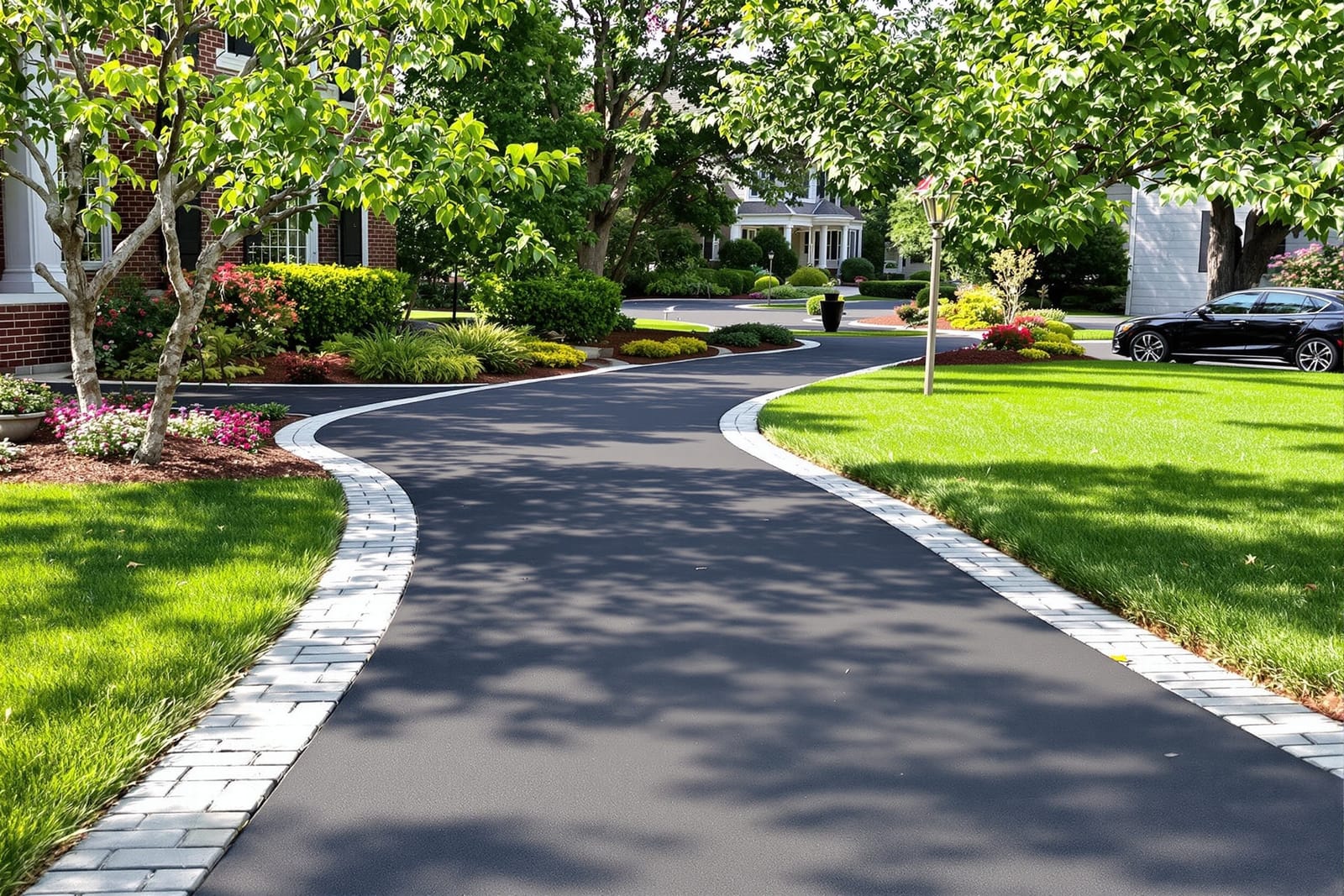
Create safe, smooth paths around your property with professional asphalt walkway paving in Denver, CO. We design and install asphalt paths and walkways that handle foot traffic, drainage, and slopes while blending cleanly with your landscaping and driveway.
Precision Asphalt Denver provides professional asphalt walkway paving throughout Denver, CO, Colorado and the surrounding area. Our licensed, insured crew delivers safe, clean, on-time work with a free estimate before anything begins. Call (720) 807-8328 or request your free quote.
Asphalt Walkways That Fit Denver Properties
Precision Asphalt Denver builds and repairs asphalt walkways and pathways for homes, multifamily properties, HOAs, schools, and small businesses across the Denver metro area. Our work ranges from simple straight walks along side yards in older brick bungalows to winding community paths in newer developments on the outskirts of town.
In Denver, walkways have to deal with intense sun, freeze-thaw cycles, and foot traffic that often includes strollers, bikes, and snow shovels. That means the design and materials for asphalt walkway paving need to be chosen differently than for a driveway or parking lot. We pay close attention to slope for drainage so that meltwater from a March snowstorm does not refreeze into sheets of ice the next morning.
We walk your property with you to decide on logical routes, width, and tie-in points to doors, gates, and parking areas. On typical Denver single-family lots, a 3 to 4 foot wide path is common for side yards, while community trails and school walkways often run 6 to 8 feet wide. Our goal is to create paths that feel natural on your property, protect landscaping, and keep people on solid footing all year.
Planning Your Walkway or Pathway Layout
A good walkway starts on paper. Before any equipment arrives, we map out the path with paint and flags, checking for practical use and compliance with local requirements.
First, we identify where people already walk. On many Denver properties, there are worn dirt paths from parking pads to back doors or from alley garages to patios. Paving those existing desire lines usually gives you the most functional layout.
Next, we look at grades and drainage. Denver lots, especially in older neighborhoods like Baker, Highlands, and Congress Park, often have subtle slopes left over from original grading. We use a level to ensure your walkway does not channel water toward your foundation or neighbor's yard. In some cases we design a gentle crown or cross-slope so water naturally sheds off the asphalt.
We then discuss surface use. If you anticipate frequent bicycle or wheelchair traffic, or if this is a school or church walkway, we may suggest a slightly wider path and gentler curves. For HOAs and apartment complexes, we also consider snow removal equipment widths and truck access for future maintenance.
Finally, we verify utility locations through Colorado 811 and, if needed, shallow private lines like irrigation. Many Denver yards have older sprinkler piping only a few inches below grade, which affects how deep we can excavate and how we protect those lines during paving.
How Asphalt Walkway Paving Is Actually Done
Our walkway and pathway paving process is adapted from road-building techniques, but scaled to fit tighter spaces and lighter loads.
1. Site preparation and excavation: We strip sod, organic soil, and any loose gravel down to firm subgrade. For most Denver residential walkways, this is 4 to 8 inches below the final surface, depending on soil and use. In clay-heavy or poorly drained areas, we may excavate deeper and bring in more base.
2. Subgrade stabilization: We compact the existing soil with plate compactors or small rollers. If the soil is soft or holds water, we may add and compact a thin layer of structural fill. In some cases we install a geotextile fabric to separate native soil from the base rock and reduce future settling.
3. Base installation: We place a layer of crushed aggregate, often 3/4 inch minus road base, and compact it in lifts to create a firm, even platform. Typical walkway base depth in Denver is 3 to 4 inches for residential use and 4 to 6 inches for community paths or maintenance vehicle access.
4. Edging and forms: For narrow or curving paths, we may use temporary forms or steel edging to keep the edges crisp during paving. Some clients opt for permanent concrete or steel edging to protect landscaping and help with snow shoveling.
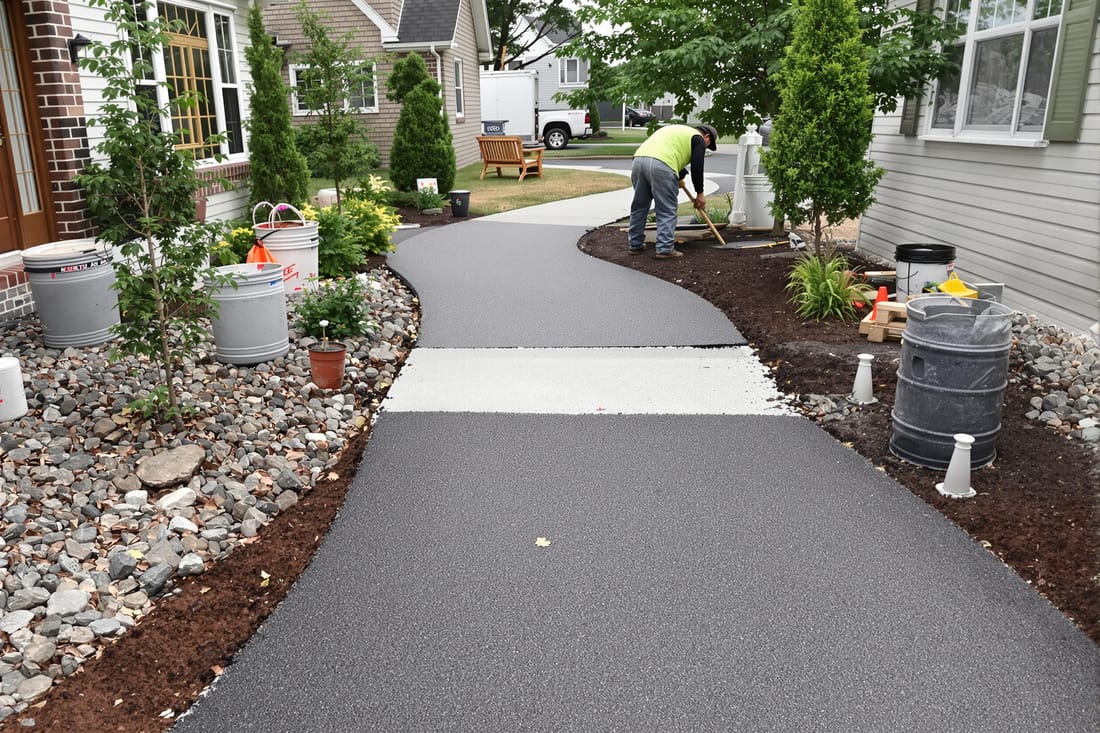
5. Asphalt placement: We install hot mix asphalt at the right temperature for compaction. For walkways, we usually place 2 to 3 inches of compacted asphalt. On complex curves or tight spaces where a paving machine cannot operate, we hand-place and carefully level the mix.
6. Compaction and finish: We compact the asphalt with a small roller and plate compactors at the edges. The goal is a smooth, even surface with no dips that can hold water. We check slopes as we go and make adjustments while the mix is still workable.
7. Cleanup and barricades: We remove excess materials, rake adjacent soil back, and can coordinate with your landscaper if needed. We set temporary barricades or tape and advise you on cure times before normal foot traffic resumes.
Material Choices and Design Options for Denver Walkways
Asphalt walkway paving is more customizable than many people think. While the base layer is usually a standard hot mix tailored for Denver's climate, the appearance and performance can be adjusted.
Mix selection: For high foot traffic areas like school campuses or apartment complexes, we may use a slightly finer mix that provides a smoother finish for wheeled traffic and reduces tripping hazards. For community trails that may occasionally see light maintenance vehicles, we choose a more robust mix that resists scuffing and rutting.
Thickness and structure: Residential garden paths that only see walking can often use a 2 inch compacted asphalt layer, while shared-use paths or access routes for landscaping equipment may require 3 inches or more. We size the structure to the real use of your path, not a generic standard.
Edging choices: In neighborhoods with established landscaping, many homeowners prefer asphalt edges that feather into mulch or rock. Others choose concrete or metal edging to define beds and make snow shoveling easier. We can install the asphalt to work with the edging you have or plan to add.
Color and texture accents: Standard asphalt is black when new and weathers to a dark gray. For some commercial or HOA projects, clients choose to add decorative elements like adjacent rock bands, paver crossings, or concrete entry pads at doors. We often combine asphalt walkways with concrete or paver stoops in Denver homes where the existing concrete at the house is in good condition.
Accessibility and slope: Denver code areas and best practices call for limited slopes and smooth transitions at entries for accessibility. When we pave walkways that connect to parking lots, sidewalks, or building entrances, we pay close attention to vertical changes so there are no abrupt lips or steps where asphalt meets existing surfaces.
What Drives the Cost of Asphalt Walkway Paving in Denver
Our clients often ask why two walkways of similar length can have very different prices. Several local and site-specific factors influence the cost of asphalt walkway paving.
Access: Many Denver homes have narrow side yards, fences, or mature trees that limit equipment access. If we cannot bring in a small skid steer or mini paver and must rely more on hand labor, excavation and paving take longer. We plan our approach during the estimate so you know how this affects pricing.
Existing conditions: Removing old concrete, flagstone, or failing asphalt requires more labor and disposal than starting from grass or dirt. If an older walkway has been patched multiple times or has thick sections, that debris weight influences hauling and dump fees.
Base and soil conditions: Poor native soils or historic fill, which is common behind older garages and in some alleys, can require deeper excavation and more base rock to achieve a stable foundation. Investing in a solid base prevents dips, edge cracking, and puddling later.
Path complexity: Curves, intersections, ramps, and tight tie-ins to existing patios or stoops add layout and handwork time. A straight 40 foot walkway is usually less costly per foot than a winding garden path with multiple spurs.
Timing and phasing: Coordinating with other projects, such as concurrent driveway replacement or landscaping, can sometimes save money by reducing mobilizations. We often work with Denver landscapers and contractors to schedule paving at the right point in a larger project, which helps control overall cost.
Common Walkway Problems in Denver and How We Prevent Them
Denver's climate and soils create predictable issues that we design against when we install asphalt walkways and pathways.
Frost heave and settlement: Freeze-thaw cycles can push up poorly supported sections or cause edges to drop where topsoil was not compacted well. We reduce this risk with proper excavation, compacted base, and, when needed, fabric separation between soil and base. Along foundation walls, we pay extra attention since backfill there is often looser.
Ponding and icy spots: Flat or back-sloped walks can hold water that turns into ice. We build in gentle cross-slope, usually about 1.5 to 2 percent, so water drains off the surface. On properties where grading is limited, we may add surface drains or regrade adjacent soil to give water somewhere to go.
Edge breakdown: Walkway edges that border soft soil or heavy landscaping traffic can crumble over time. Where we expect frequent foot traffic off the sides, or snow removal equipment passing, we may slightly widen the base, add edging, or recommend a thicker asphalt edge band.
Root intrusion: Mature trees are common in older Denver neighborhoods and roots can lift any hard surface. During planning, we route paths outside main root zones when possible. If a path must cross near a tree, we may adjust the structure or discuss root pruning with an arborist to protect both the walkway and the tree.
Surface wear: On heavily used community paths, surface raveling or hairline cracking can appear after several seasons. We recommend timely crack sealing and, when appropriate, sealcoating to extend life. Precision Asphalt Denver can set a simple maintenance schedule for HOAs and property managers so walkways stay safe and attractive.
Working With Precision Asphalt Denver
When you schedule an estimate with Precision Asphalt Denver, you meet with a local team that focuses on how people actually use your property, not just on square footage. We listen to how you move through your yard, where packages get delivered, how kids reach the bus stop, and how maintenance crews access common areas.
Our walkthrough includes measuring routes, checking slopes with a level, looking at drainage patterns after rain or snowmelt when possible, and evaluating nearby structures and landscaping. We discuss design options, from simple straight-shot walks to curved garden paths, and explain the tradeoffs in cost and function.
Before any work begins, you receive a written scope with base depth, asphalt thickness, layout description, and any special considerations like edging or tie-in details. During construction, we keep noise and disruption in mind, especially in tight Denver neighborhoods and multifamily settings.
After paving, we explain curing and use guidelines, show you how water behaves on the new surface, and point out any future maintenance tasks that will protect your investment. Many of our walkway projects come from neighbors who see our work on nearby homes or from property managers who appreciate having a dependable local partner for paths, entries, and small access drives.
If you are considering asphalt walkway paving for your Denver property, Precision Asphalt Denver can help you design and build a path that fits your site, budget, and the way you live and work every day.